Introduction
Navigating China's healthcare system can be a complex experience for international patients. With over 35,000 hospitals nationwide — ranging from community clinics to world-class tertiary centers — understanding how the system is structured, how public and private hospitals differ, and why quality varies so dramatically between institutions is essential for making informed medical decisions.
This comprehensive guide consolidates three key topics into one resource: the classification and patient flow at public hospitals, the advantages and considerations of private hospitals, and the underlying factors that create disparities among China's top-tier institutions.
Part 1: Understanding China's Public Hospital System
Hospital Classification: Three Stages and Six Levels
China's public hospitals undergo systematic evaluations and classification based on their scale, technology, medical quality, research capabilities, and management efficiency. The system results in three primary tiers, each subdivided into Class A and Class B levels. Higher classifications indicate greater capacity to manage complex medical conditions. For patients, selecting appropriate healthcare institutions helps optimize the utilization of medical resources.
| Hospital Level | Positioning | Suitable For | Key Characteristics |
|---|---|---|---|
| Level I (Primary) | Community/township healthcare facilities | Common illnesses, chronic disease management, preventive care, rehabilitation | Convenient access, short wait times, lower costs |
| Level II (Intermediate) | Regional medical center at district/county level | Most common illnesses, specialized conditions requiring hospitalization, routine surgeries | Comprehensive departments, moderately complex care |
| Level III (Advanced) | Pinnacle of regional healthcare services | Complex and critical illnesses, intricate surgeries, emergency care | Extremely high patient volume, extended wait times |
Medical Process at Public Hospitals
The processes at large public hospitals in China are standardized but involve multiple steps. The overall flow can be summarized as: Appointment → Consultation → Payment → Tests/Medication pickup, with the payment step potentially occurring multiple times.
Step 1: Schedule an Appointment
Online appointments can be booked through the hospital app or WeChat official account. However, this typically requires a Chinese ID card and mobile number — the system may not support passports well, and interfaces are often only available in Chinese. In-person registration is an alternative, but appointments are often scarce, so arriving early to queue may be necessary. If language is a barrier, seek assistance from friends, your hotel, or a professional interpreter.
Step 2: Consultation and Waiting
After scheduling an appointment, proceed to the self-service kiosk or triage desk on the department floor to "check in." Wait in the waiting area for your number to be called on the electronic screen. The doctor's consultation time per patient is brief — approximately 5 minutes — so prepare to describe your symptoms and concerns in advance.
Step 3: Make Payment
In Chinese public hospitals, payment must be made upfront for any examination or medication (except in emergency situations). Payment methods include manual payment counters or self-service payment machines on each floor. Chinese patients can settle payments using their social security card (medical insurance), paying only the out-of-pocket portion. International patients are unable to use Chinese social security and must cover all costs out-of-pocket. Prepare cash, bank cards (UnionPay, Visa/Mastercard pending confirmation), or ensure sufficient balance in mobile payment apps (Alipay/WeChat Pay).
Important: Payment is not a one-time transaction. Each doctor-prescribed test order or prescription requires separate payment, meaning you may need to queue multiple times to pay.
Step 4: Examinations and Medication Pickup
After payment, take your request form to various departments (e.g., Radiology, Laboratory) for tests. Additional appointments or queuing may be required. For medication pickup, pharmacies are typically separate facilities. After payment, you will receive a prescription slip. Wait in the designated area outside the pharmacy until your name appears on the electronic display, then proceed to the corresponding window to collect your medication.
Part 2: China's Private Hospital Landscape
Core Feature: Differentiated Development
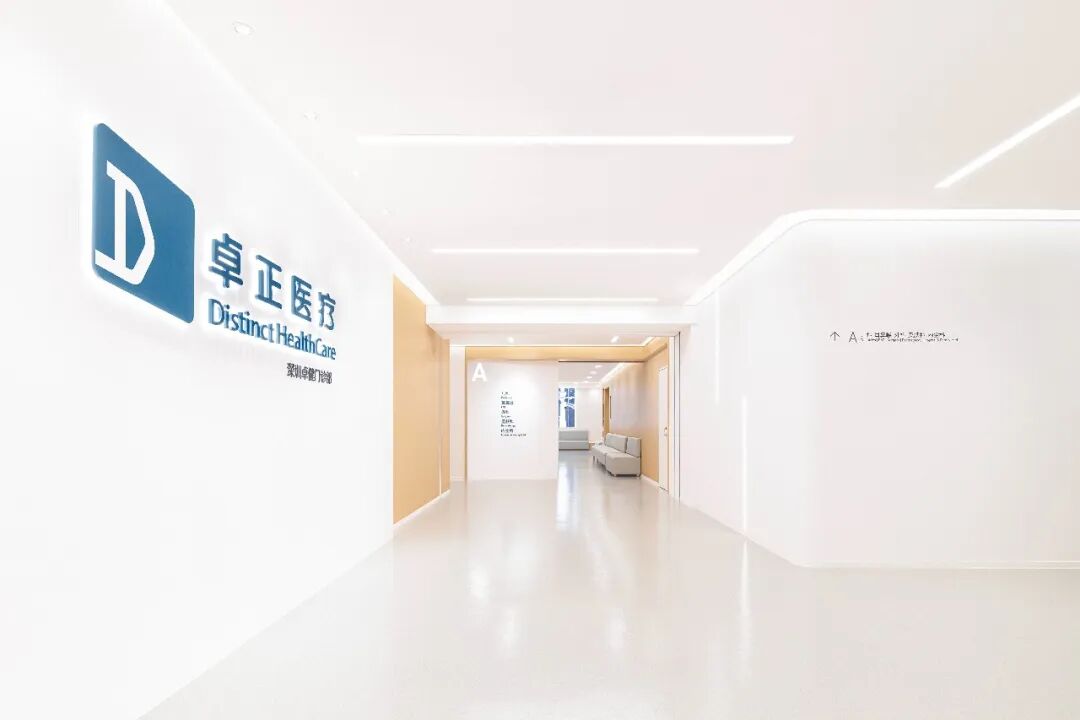
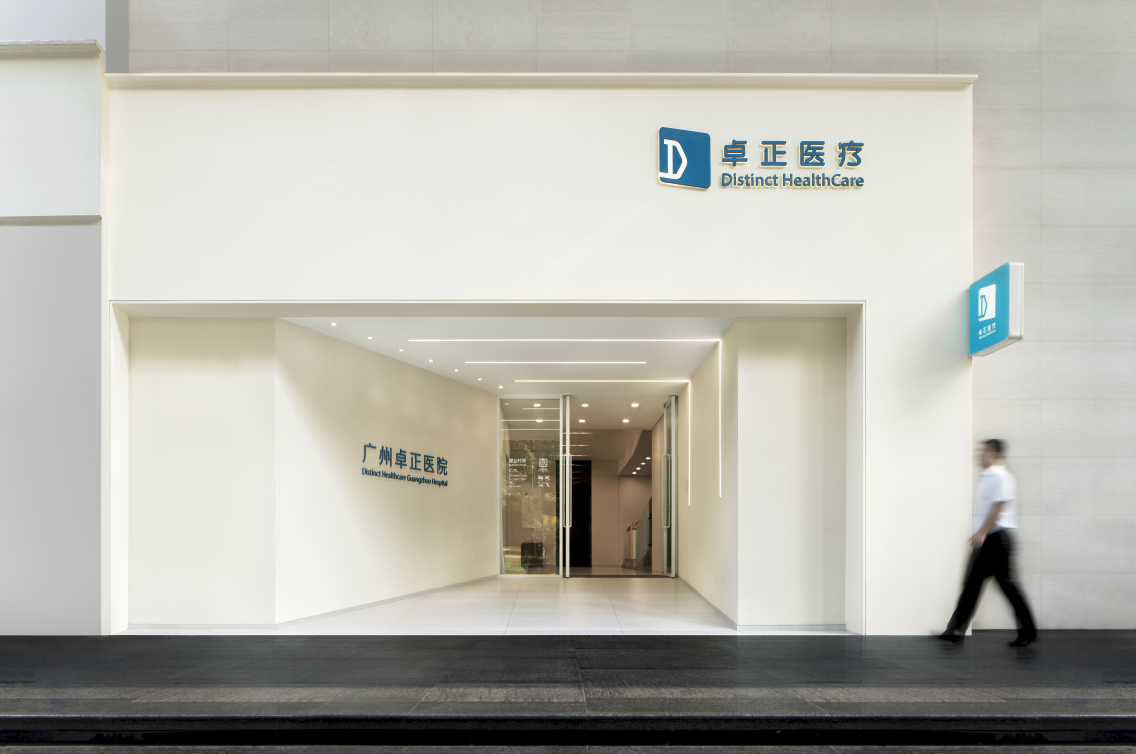
After decades of development, China's private medical institutions have become an integral part of the healthcare system, establishing unique strengths in service quality, professional expertise, and patient experience. However, private hospitals exhibit distinct variations, requiring careful evaluation beyond advertising or appearance when selecting a provider.
Premium Institutions are equipped with advanced technology and experienced physician teams (often recruited from renowned public hospitals), excelling in specialized fields with robust management systems. Average Institutions may exhibit deficiencies in facilities, staffing, or expertise, with inconsistent service quality.
Core Advantages of Quality Private Hospitals
Compared to public hospitals, well-regulated private medical institutions offer several advantages:
Efficient and Convenient Patient Flow — Private hospitals operate appointment systems where patients schedule visits via phone, official website, or WeChat and arrive at the designated time. Dedicated diagnostic equipment minimizes waiting, prescriptions are issued directly in the doctor's office, and standardized service pathways from appointment to medication pickup save considerable time and effort.
High-Quality Professional Medical Teams — Core physicians often possess experience at top-tier public hospitals, ensuring rich clinical expertise. Regular training, case discussions, and academic exchanges maintain team proficiency and keep medical knowledge current.
Comfortable and Humanized Service Environment — Dedicated waiting areas and examination rooms with changing facilities prioritize patient privacy. Many private hospitals proactively adopt high-end medical devices, establishing specialized equipment advantages in specific fields.
Innovative Digital Services — Exclusive apps enable remote consultations, report retrieval, and health management. Select facilities utilize AI-assisted diagnostics to enhance efficiency and accuracy.
How to Identify High-Quality Private Hospitals
Given the current market landscape, evaluate institutions based on these key dimensions:
| Evaluation Criteria | What to Look For |
|---|---|
| Professional Team | Verify physicians' credentials and work experience; assess investment in team development |
| Service Process | Appointment systems, sufficient consultation time, detailed explanations of conditions and costs |
| Specialty Strengths | Equipment configuration, case experience, and treatment outcomes in specific specialties |
| Price Transparency | Upfront disclosure of fee structures and itemized billing |
Special Considerations for International Patients
Private hospitals offer limited medical insurance coverage, typically requiring out-of-pocket payments or commercial insurance. Some premium institutions have direct billing agreements with international insurers — confirm payment options before treatment. High-end private hospitals typically offer English and other multilingual support; verify availability during appointment booking. Prioritize institutions with strong reputations, transparent physician credentials, and clear pricing structures.
Part 3: Why Quality Varies Among China's Top-Tier Hospitals
The "Grade III, Class A" Paradox
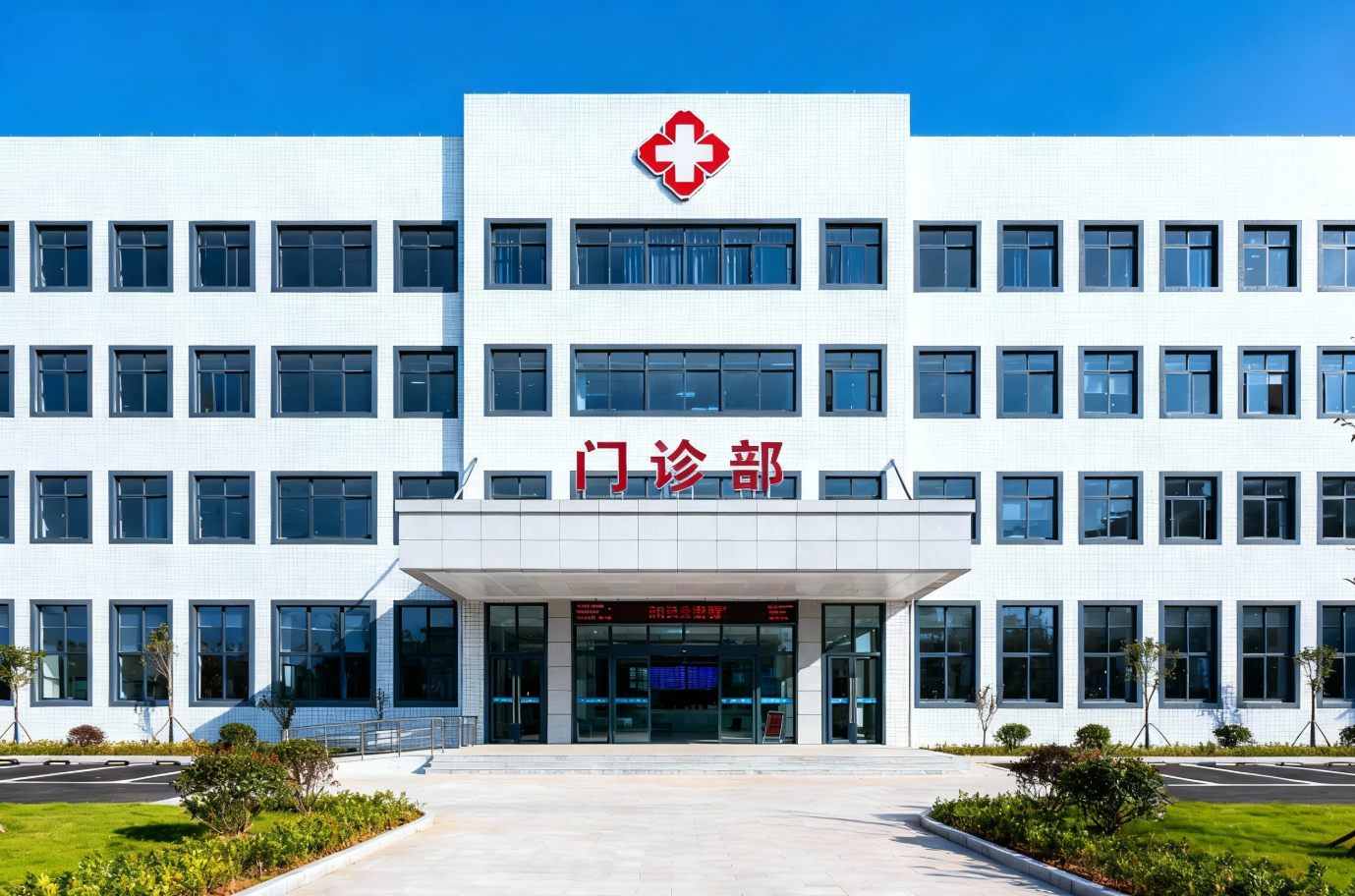
Hospitals across different regions of China may share the same "Grade III, Class A" designation, yet significant disparities exist in their technical proficiency and overall capabilities. This is because the "Grade III, Class A" system represents a comprehensive accreditation standard rather than a unified certification of top-tier excellence. Some hospitals may meet the criteria in certain metrics, but their overall strength — particularly in treating complex and critical illnesses — still lags considerably behind the nation's premier institutions.
The evaluation system assesses comprehensive qualifications including completeness of departmental setup, standardization of personnel structure, basic standards for hardware facilities, systematic management and services, and capacity for teaching and research. Achieving this accreditation signifies capability to handle common diseases within the region, but does not imply uniform professional competence across all hospitals bearing the designation.
Four Key Factors Driving Disparities
1. Uneven Economic Development
Economically advanced regions (Beijing, Shanghai, Guangdong, Jiangsu, Zhejiang) possess stronger fiscal capacity, enabling sustained funding for hospitals to acquire advanced equipment, expand infrastructure, and attract top talent. Higher per capita income and medical insurance coverage create a broader market for premium medical services, fostering a virtuous cycle of development. In contrast, hospitals in economically underdeveloped regions face constraints from limited financial support.
2. Historical Legacy and Disciplinary Development
Certain central cities boast hospitals and top medical schools with centuries-old histories, fostering deep academic traditions and technical expertise through long-term accumulation. Many are designated as national key specialty units, receiving sustained policy and resource support that continually strengthens their disciplinary advantages — making them difficult to surpass in the short term.
3. Uneven Distribution of Talent
Regions with concentrated high-quality medical resources create a "siphon effect" for medical talent. Top specialists cluster in large-city hospitals that offer better career platforms with access to the most complex cases and cutting-edge technologies, higher income and prestige through competitive compensation packages, and superior educational resources with convenient access to top academic conferences and training programs.
4. Geographic Location and Population Served
Tertiary hospitals in national central cities serve extensive catchment areas, treating large volumes of complex referred cases and accumulating richer clinical experience. Transportation accessibility further reinforces their status as regional medical hubs. Provincial-level tertiary hospitals primarily serve local populations, encountering relatively limited complexity and diversity in cases.
Manifestations of These Disparities
| Hospital Category | Medical Capabilities | Facilities |
|---|---|---|
| Top-tier tertiary (Peking Union, Ruijin, West China) | Conquering intractable diseases, organ transplants, complex cardiac procedures, international clinical trials | Modern architecture, highly informatized processes, comfortable environments |
| Provincial-level leading | Managing the vast majority of major diseases within their province | Generally modern with good equipment |
| Prefecture-level tertiary | Standardized treatment of common diseases; limited experience with rare conditions | May be outdated, with more manual processes and longer waiting times |
Government Efforts to Narrow the Gap
The Chinese government is working to address these disparities through establishing national regional medical centers, developing medical consortiums, expanding telemedicine services, and strengthening primary-level talent development. These efforts aim to increase the capacity of high-quality medical resources and promote their balanced regional distribution. However, this is a long-term undertaking — for the foreseeable future, these disparities will remain an objective reality, though the gap is expected to gradually diminish.
Practical Tips for International Patients
Choosing Between Public and Private Hospitals
| Consideration | Public Hospital | Private Hospital |
|---|---|---|
| Cost | Lower (government-subsidized) | Higher (market-priced) |
| Wait Times | Long (hours to days) | Short (appointment-based) |
| Consultation Duration | Brief (~5 minutes) | Extended (15-30+ minutes) |
| Language Support | Rarely available | Often available at premium facilities |
| Medical Expertise | Strongest for complex/rare conditions | Strong for common conditions and specialties |
| Payment | Pay-per-service, multiple queues | Streamlined billing, insurance partnerships |
Recommendations
For complex or rare conditions requiring the highest level of medical expertise, China's top-tier public hospitals (particularly those in Beijing, Shanghai, and Guangzhou) remain the best choice despite longer wait times and language barriers. Consider engaging a medical tourism facilitator who can assist with appointments, translation, and navigation.
For routine care, preventive health, or conditions requiring comfortable recovery, quality private hospitals offer a significantly better patient experience with English-speaking staff, shorter wait times, and more personalized attention.
For cost-sensitive patients, public hospitals at the secondary level provide good value with reasonable quality for most common conditions, though language support will be limited.
Frequently Asked Questions
Q: Can international patients access China's public hospitals without a Chinese ID?
A: Yes, but with limitations. Registration systems may not support passport numbers well, requiring in-person registration. Bring your passport and be prepared for Chinese-only interfaces. A local contact or interpreter is highly recommended.
Q: How do I verify if a private hospital is legitimate and high-quality?
A: Check the National Health Commission's official registry for licensing status. Look for JCI (Joint Commission International) accreditation for international standards. Verify physician credentials through provincial health authority databases. Ask about direct billing agreements with international insurance providers.
Q: Why are wait times so long at top public hospitals?
A: China's best public hospitals serve as referral centers for entire regions or the whole country. A single Grade III, Class A hospital in Beijing may see 10,000+ outpatients daily. The concentration of medical talent and resources in top institutions, combined with patient preference for the "best" hospital regardless of condition severity, creates extreme demand.
Q: Is medical tourism to China worth considering?
A: China offers world-class medical expertise at significantly lower costs than Western countries, particularly for complex surgeries, traditional Chinese medicine, and certain specialized treatments. The main challenges are language barriers, navigating the system, and post-treatment follow-up. Working with a reputable medical tourism facilitator can address most of these challenges.
References
- National Health Commission of the People's Republic of China. Hospital Classification Management Standards (2022 Revision).
- China Hospital Association. Annual Report on China's Hospital Development (2023).
- National Bureau of Statistics of China. China Statistical Yearbook — Health and Social Services (2023).
- World Health Organization. China Health System Review. Health Systems in Transition, Vol. 7 No. 7 (2015).
- Joint Commission International (JCI). Accredited Organizations in China. Retrieved 2024.