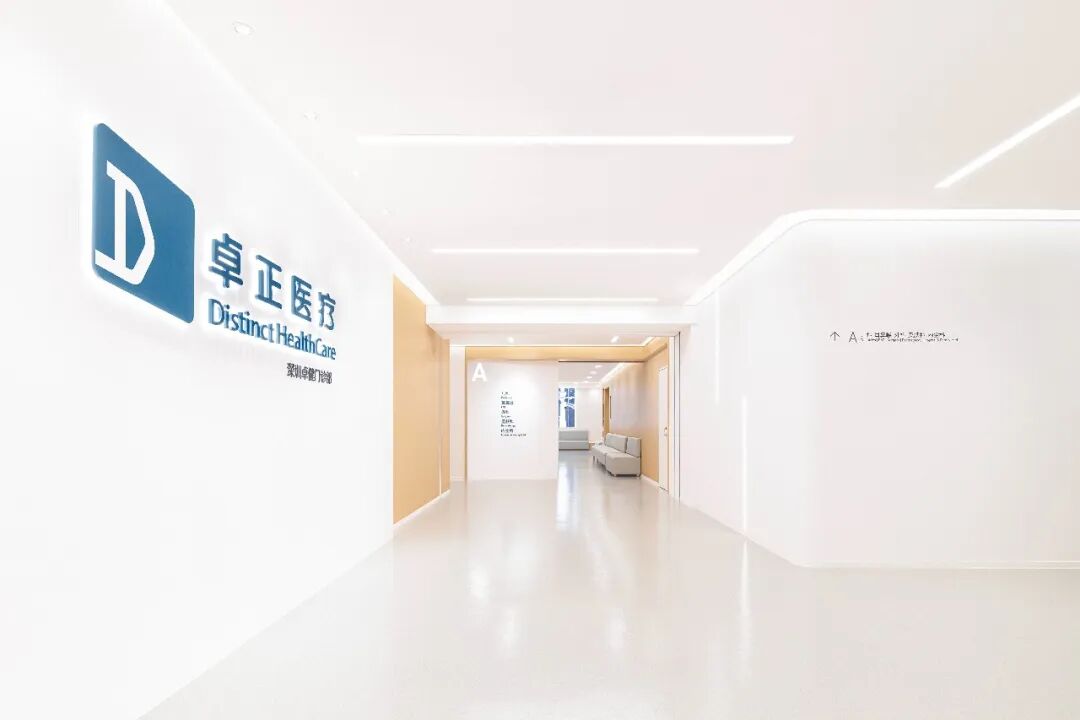
Embarking on a medical journey abroad can be a significant decision, and for international patients seeking high-quality, high-quality healthcare, China is increasingly emerging as a compelling destination. With its rapidly advancing medical infrastructure, world-class specialists, and a commitment to patient care, China offers a unique blend of traditional wisdom and modern innovation. This comprehensive guide aims to equip you with the essential information needed to navigate medical tourism in China, ensuring a smooth and successful experience.
Quality of Hospitals and Accreditations
China's healthcare landscape has undergone a remarkable transformation in recent decades, with significant investments in state-of-the-art medical facilities and advanced technologies. Many hospitals, particularly in major cities like Beijing, Shanghai, Guangzhou, and Shenzhen, adhere to international standards of care.
A key indicator of high-quality healthcare is Joint Commission International (JCI) accreditation. JCI is a globally recognized organization that evaluates and accredits healthcare organizations based on rigorous patient safety and quality standards. A growing number of hospitals in China have achieved JCI accreditation, signifying their commitment to delivering world-class medical services. When researching hospitals, prioritize those with JCI accreditation, as this provides an assurance of quality comparable to leading medical institutions in Western countries. These hospitals often feature advanced diagnostic equipment, modern operating theaters, and highly trained medical staff, many of whom have received training internationally.
Beyond JCI, many top-tier hospitals also boast affiliations with renowned international medical institutions, participate in global research initiatives, and employ specialists who are leaders in their respective fields. It's advisable to research specific hospital departments and physician qualifications relevant to your medical needs.
Visa Requirements for Medical Treatment
Obtaining the correct visa is a crucial step for international patients planning medical tourism in China. The most common visa categories for medical purposes are the L visa (tourist visa) or the F visa (non-commercial visit visa), depending on the duration and nature of your stay. However, for specific medical treatments, you may need to apply for a Q2 visa (for short-term private matters) or an S2 visa (for short-term private matters, including medical treatment).
The specific requirements can vary based on your nationality and the Chinese embassy or consulate in your home country. Generally, you will need:
- Valid passport: With at least six months of validity remaining and blank visa pages.
- Completed visa application form: Available online or at the embassy/consulate.
- Passport-sized photographs: Meeting specific requirements.
- Letter of invitation from the hospital: This is often the most critical document, detailing your medical condition, the proposed treatment, estimated duration of stay, and the hospital's contact information.
- Proof of financial capability: To cover your medical expenses and living costs during your stay.
- Round-trip flight tickets and accommodation bookings: While not always strictly required for medical visas, it can strengthen your application.
It is highly advisable to contact the Chinese embassy or consulate in your country well in advance of your planned trip to confirm the exact visa requirements and application procedures. Some hospitals that cater to international patients may also offer assistance with the visa application process.
Language Support and Communication
Language barriers can be a significant concern for international patients. However, many hospitals in China that cater to medical tourists have robust language support systems in place.
- International Patient Departments: These dedicated departments often employ multilingual staff, including English-speaking doctors, nurses, and patient coordinators. They can assist with scheduling appointments, explaining treatment plans, and facilitating communication with medical professionals.
- Interpreters: Professional medical interpreters are frequently available, either on-site or through teleconferencing services, to ensure clear and accurate communication between patients and their medical teams.
- English-speaking Doctors: A growing number of Chinese doctors have received international training or have extensive experience working with international patients, making them proficient in English.
- Translation Services: Hospitals may also offer translation services for medical records, consent forms, and other important documents.
When choosing a hospital, inquire about their specific language support services and confirm that they can adequately accommodate your linguistic needs. Utilizing translation apps on your smartphone can also be helpful for day-to-day interactions outside the hospital.
Cultural Considerations
Understanding and respecting local customs can significantly enhance your medical tourism experience in China.
- Respect for Elders and Authority: Chinese culture places a high value on respect for elders and authority figures, including doctors. It's customary to show deference and politeness.
- Communication Style: Communication can sometimes be more indirect than in Western cultures. Patience and careful listening are key. If you have questions, don't hesitate to ask for clarification.
- Traditional Chinese Medicine (TCM): China is the birthplace of TCM, and many hospitals integrate TCM practices alongside Western medicine. You may encounter TCM elements such as acupuncture, herbal medicine, or cupping. Be open to learning about these complementary therapies.
- Food and Dietary Needs: Chinese cuisine is diverse and delicious. If you have specific dietary restrictions or allergies, communicate them clearly to your hospital or accommodation. Many larger cities offer a wide range of international dining options.
- Personal Space: Personal space norms can differ. While medical professionals will maintain appropriate boundaries, public spaces might feel more crowded than you are accustomed to.
- Gift-Giving: While not expected, a small token of appreciation for your medical team or support staff can be a kind gesture, though it's important to be mindful of hospital policies regarding gifts.
Embracing these cultural nuances can lead to a more enriching and comfortable stay.
Insurance Acceptance
Navigating insurance coverage for medical treatment abroad requires careful planning.
- Travel Insurance with Medical Coverage: It is highly recommended to purchase comprehensive travel insurance that explicitly includes medical evacuation and emergency medical treatment. Many standard travel insurance policies do not cover pre-existing conditions or elective medical procedures, so carefully review the terms and conditions.
- International Health Insurance: If you have an international health insurance plan, contact your provider before your trip to confirm coverage for medical treatment in China. Inquire about their network of hospitals, direct billing options, and reimbursement procedures.
- Direct Billing vs. Reimbursement: Some international hospitals in China may have direct billing agreements with certain international insurance providers. Otherwise, you will likely need to pay for services upfront and seek reimbursement from your insurance company later. Keep all medical records, invoices, and receipts for your claim.
- Pre-authorization: For planned procedures, your insurance company will almost certainly require pre-authorization. Ensure you complete all necessary paperwork and obtain approval before commencing treatment.
Always communicate proactively with your insurance provider to understand your coverage and financial responsibilities.
Tips for a Smooth Medical Trip
To ensure a seamless and stress-free medical journey in China, consider these practical tips:
- Thorough Research: Invest time in researching hospitals, doctors, and treatments. Read patient reviews, check accreditations, and compare services.
- Medical Records: Compile all relevant medical records, test results, imaging scans, and medication lists. Have them translated into English and, if possible, simplified Chinese.
- Communication with Hospital: Establish clear communication with the hospital's international patient department well in advance. Discuss your medical history, treatment plan, estimated costs, and logistical needs.
- Accommodation: Book accommodation close to your chosen hospital, especially if you anticipate frequent visits or a prolonged stay. Many hospitals have affiliated hotels or can recommend nearby options.
- Transportation: Familiarize yourself with local transportation options (taxis, ride-sharing apps, metro). Many hospitals are easily accessible by public transport.
- Local SIM Card/eSIM: Purchase a local SIM card or eSIM upon arrival for reliable internet access and communication. This is essential for navigation, translation apps, and staying connected.
- Payment Methods: While credit cards are widely accepted in major hospitals, it's advisable to carry some local currency (RMB) for smaller purchases or emergencies. Mobile payment apps like WeChat Pay and Alipay are ubiquitous in China.
- Support System: If possible, travel with a companion who can provide support and assistance.
- Post-Treatment Care: Discuss your post-treatment care plan, follow-up appointments, and medication needs with your medical team before returning home.
- Emergency Contacts: Keep a list of emergency contacts, including your embassy or consulate, hospital contact information, and family members.
By carefully planning and preparing, international patients can leverage China's advanced medical facilities and expert healthcare professionals for a successful and beneficial medical tourism experience.