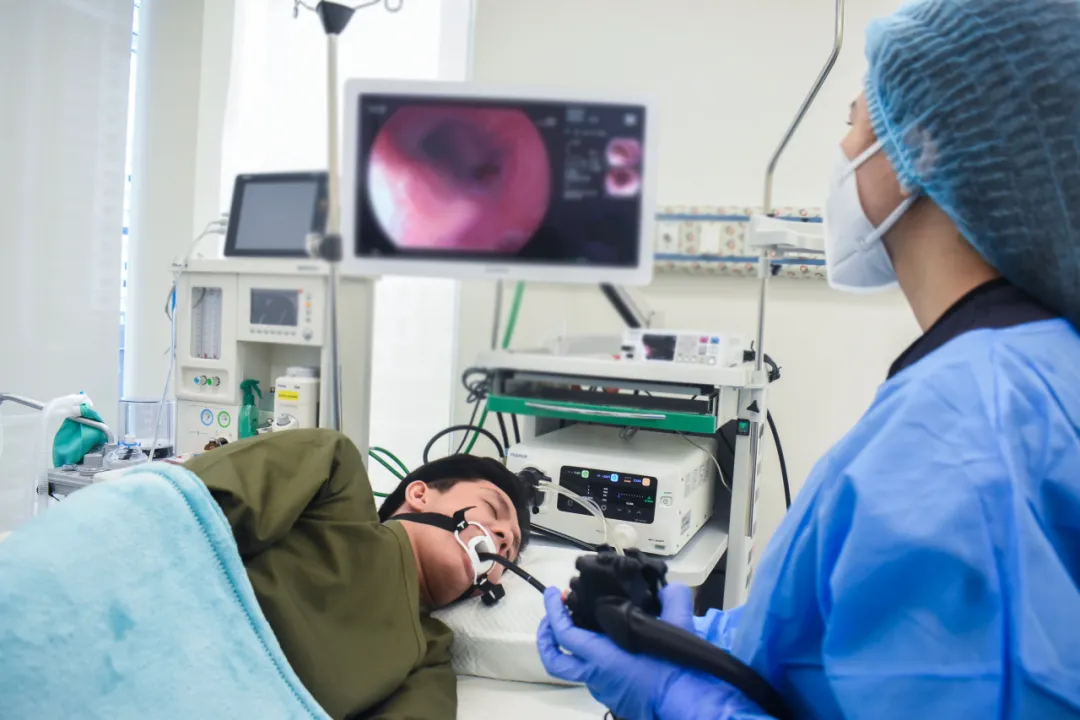
Why Do Children Need General Anesthesia?
Unfortunately, most pediatric surgeries require general anesthesia — this is determined by children's physiological and psychological characteristics.
Young children often cry intensely after being separated from parents. They cannot cooperate with invasive procedures, and even painless examinations like MRI scans may require sedation to complete successfully.
Older children also struggle to face surgical fears directly. While some minor procedures can be done under local anesthesia, the pain of local anesthetic injection itself is an unpleasant experience. Moreover, remaining still and calm throughout an entire procedure is a challenge even many adults cannot manage.
Is Anesthesia Safe for Children?
1. Safety Statistics
Here's a serious but reassuring conclusion: anesthesia-related mortality is directly correlated with regional economic development. While data varies across countries, pediatric anesthesia-related mortality in developed nations is now measured in units of one per 100,000. China's anesthesia-related mortality rates have approached developed-country levels.
Currently, there is no direct evidence indicating that pediatric anesthesia is unsafe. However, for very young infants and children with comorbidities, additional attention is warranted due to incomplete organ development or existing functional deficits. A systematic pre-anesthesia evaluation is critically important for every child.
2. Will General Anesthesia Make My Child "Less Intelligent"?
Many parents doing pre-surgery research may have encountered the FDA warning issued in December 2016 — stating that anesthetic and sedative use in pregnant women and children under 3 years old may potentially affect brain development, especially with multiple anesthesia exposures or procedures exceeding 3 hours.
Important: This warning was based on animal studies, not human research, and requires further studies for confirmation.
The highest-level evidence currently available indicates that a single, short-duration anesthesia does not cause significant neurotoxicity in healthy children. Procedures like circumcision and adenoidectomy typically last under 1 hour — well within the "short duration" category.
For children over 3 years old, unless they undergo multiple short-interval anesthesia sessions or excessively long procedures, there is no statistically significant difference in behavioral ability, memory, and other metrics compared to children who have never received anesthesia.
However, this warning reminds us that for very young children, especially infants, the potential neurotoxicity of anesthetic drugs deserves attention. Parents must fully understand the risks, benefits, and timing of surgery.
3. Can Children Under 3 Have Surgery?
For this question, we must consider both the impact of anesthesia on the child AND the harm of uncontrolled disease on growth and development. For conditions requiring early surgical intervention, parents should fully understand the prognosis and weigh the pros and cons.
If the child is under 3 years old and the expected anesthesia time exceeds 3 hours, the surgical team and parents should thoroughly discuss the necessity. The 2017 supplementary statement to the FDA warning also noted: necessary invasive procedures for children under 3 should not be delayed.
If surgery must proceed for children under 3, the surgical team should optimize the surgical plan and minimize procedure duration as much as possible.
Preparing Your Child for Surgery: A Parent's Guide
Communication Is Key
Regardless of surgery type, communication between parents and medical staff is crucial. Understanding the surgery, understanding anesthesia, and building trust in the surgical team allows parents to maintain a calmer mindset — which is the foundation for everything that follows.
Control Your Emotions
Even if you're worried and anxious, please remain calm in front of your child. Children's greatest support comes from their parents, and unstable parental emotions directly affect children and may even cause them to resist treatment.
Crying in front of your child is strongly discouraged.
Managing Separation
For young children, the greatest fear is often being separated from parents. For parents, having your child enter the operating room may be the first time they're completely beyond your control.
Separation procedures vary by institution. If conditions allow, parents can discuss with medical staff whether separation time can be minimized.
IV Access Options:
- Cooperative children: Can complete IV placement without parental presence; some older children can walk to the OR with staff
- Fearful but manageable children: With parental comfort, IV is placed, then mild sedation is given before transfer to OR
- Very resistant children: The anesthesiologist may use oral sedation, nasal drops, or inhalation anesthesia to help the child fall asleep before IV placement
At Distinct Healthcare, we allow parents to accompany their child into the operating room until the child falls asleep, then return to the waiting area.
Addressing Your Child's Fear
Pre-surgical fear is completely normal. Older children may have more complex fears — scarring, pain, or even an emerging awareness of mortality.
When children express fear or anxiety:
- Encourage expression — don't interrupt
- Never use threatening language ("If you don't cooperate, we'll leave you here!")
- Answer questions patiently using simple, familiar language
- Use relatable time references (e.g., "The surgery takes about as long as two episodes of your favorite cartoon")
- Be honest about post-operative discomfort while reassuring them that doctors and nurses will help manage it
For older children, consider letting them learn about anesthesia and surgery. Knowledge reduces fear. One child facing brain tumor surgery read extensively about neuroscience beforehand and showed remarkable resilience throughout treatment — a testament to proactive learning and effective parental communication.
Never avoid the topic or fabricate information. Don't tell children you're "going shopping" when heading to the hospital, or promise "it won't hurt at all." When reality doesn't match expectations, fear multiplies.
Follow Medical Instructions Precisely
To ensure your child's safety during surgery, parents must honestly report the child's condition and strictly follow pre-operative instructions. Seemingly harmless oversights can have serious consequences.
A cautionary example: One child's parents confirmed adequate fasting time, but during anesthesia induction, large amounts of white viscous material surged from the stomach. Investigation revealed the grandmother had secretly fed the child milk before surgery, believing the child was hungry. Without swift intervention, aspiration could have been fatal.
All pre-operative preparations exist to ensure your child's safety. Communicate instructions to everyone who has access to your child — all family members, nannies, and teachers.
Key Takeaways
| Concern | Evidence-Based Answer |
|---|---|
| Is pediatric anesthesia safe? | Mortality rate: ~1 per 100,000 in developed nations |
| Will it affect intelligence? | Single short procedures show no significant neurotoxicity |
| Children under 3? | Necessary procedures should not be delayed; minimize duration |
| How to prepare? | Communicate, stay calm, be honest, follow instructions |
FAQ
Q: Can my child avoid general anesthesia for minor procedures like circumcision? A: For most pediatric surgeries, general anesthesia is necessary due to children's inability to remain still and cooperate. Even procedures possible under local anesthesia in adults typically require general anesthesia for children.
Q: How long should my child fast before surgery? A: Follow your anesthesiologist's specific instructions precisely. Generally, clear liquids are stopped 2 hours before, breast milk 4 hours before, and solid food 6-8 hours before surgery. Ensure ALL caregivers are informed.
Q: What if my child is extremely anxious about surgery? A: This is normal. Use age-appropriate explanations, allow them to bring comfort items, and ask about parental presence during anesthesia induction. Many facilities now allow parents to stay until the child falls asleep.
References
- FDA Drug Safety Communication: FDA review results in new warnings about using general anesthetics and sedation drugs in young children and pregnant women.
- American Society of Anesthesiologists. Practice Guidelines for Preoperative Fasting and the Use of Pharmacologic Agents to Reduce the Risk of Pulmonary Aspiration. Anesthesiology. 2017;126:376-393.
- FDA Drug Safety Communication: FDA approves label changes for use of general anesthetic and sedation drugs in young children.