An anterior cruciate ligament (ACL) tear is a common knee injury, particularly among athletes and individuals engaging in high-impact activities. This patient guide provides comprehensive information about ACL reconstruction surgery, including its causes, surgical techniques, recovery timeline, rehabilitation exercises, and the benefits of undergoing this procedure in China.
What Causes an ACL Tear?
The ACL is one of the four major ligaments in the knee, connecting the thigh bone (femur) to the shin bone (tibia). It plays a crucial role in stabilizing the knee joint, preventing the tibia from sliding too far forward and limiting rotational movements. ACL tears often occur due to:
- Sudden stops or changes in direction: Common in sports like basketball, soccer, and skiing.
- Awkward landings from a jump: Often seen in gymnastics or volleyball.
- Direct impact to the knee: Such as during a collision in contact sports.
- Hyperextension of the knee: Forcing the knee beyond its normal range of motion.
Symptoms of an ACL tear can include a "popping" sound at the time of injury, severe pain, swelling, instability of the knee, and difficulty bearing weight.
ACL Reconstruction Surgical Techniques
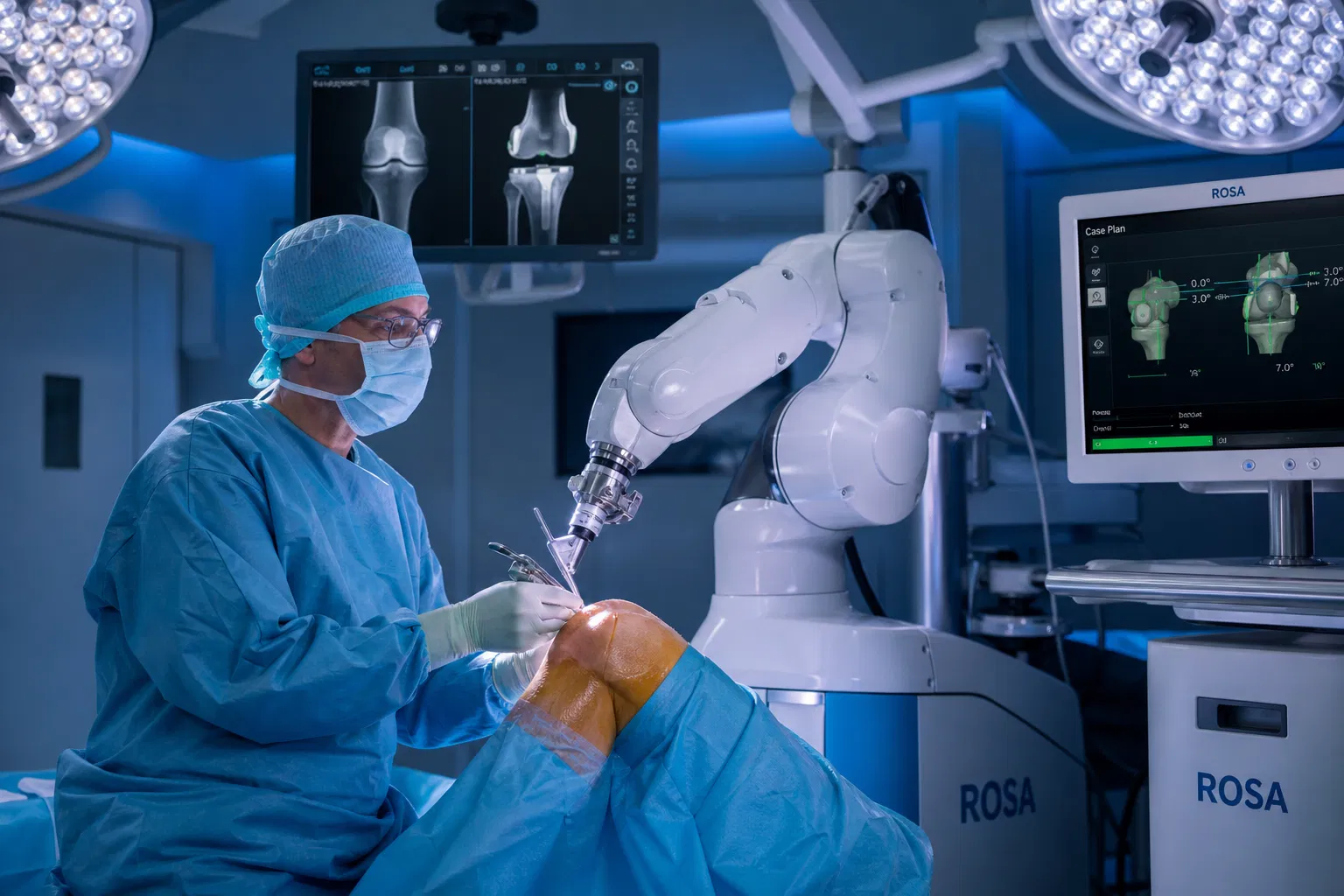
ACL reconstruction surgery involves replacing the torn ACL with a new ligament, typically a graft taken from another part of the patient's body (autograft) or, less commonly, from a deceased donor (allograft). The two most common autograft techniques are:
Patellar Tendon Autograft
This technique uses a section of the patellar tendon, located at the front of the knee, along with small bone blocks from the kneecap (patella) and shin bone (tibia).
- Advantages: Historically considered the "gold standard" for athletes due to its strong bone-to-bone healing, potentially leading to a faster return to sports.
- Disadvantages: Can lead to anterior knee pain (pain at the front of the knee), especially when kneeling, and a higher risk of patellar fracture.
Hamstring Tendon Autograft
This technique uses one or two of the hamstring tendons (semitendinosus and/or gracilis) from the inner thigh. These tendons are typically folded over to create a stronger, multi-strand graft.
- Advantages: Generally associated with less anterior knee pain and a smaller incision compared to patellar tendon grafts.
- Disadvantages: May have a slightly slower initial healing process due to soft tissue-to-bone healing, and some patients may experience hamstring weakness.
The choice of graft depends on various factors, including the patient's age, activity level, surgeon's preference, and any pre-existing conditions. Your surgeon will discuss the most suitable option for your individual case.
Detailed Recovery Timeline
Recovery from ACL reconstruction is a gradual process that requires dedication to rehabilitation. The timeline below provides a general overview; individual recovery may vary.
Weeks 1-2: Initial Healing and Pain Management
- Goals: Reduce pain and swelling, protect the graft, restore full knee extension, begin gentle quadriceps activation.
- Activities:
- Pain management: Medications as prescribed, ice packs, elevation of the leg.
- Brace: A knee brace is typically worn to protect the knee and limit range of motion.
- Crutches: Used for weight-bearing as tolerated, often partial weight-bearing initially.
- Exercises: Gentle quadriceps sets, ankle pumps, passive knee extension exercises (e.g., heel props).
- Physical therapy: Initial sessions focus on education, pain control, and basic range of motion.
Weeks 3-6: Restoring Range of Motion and Strength
- Goals: Achieve full knee flexion (bending), improve quadriceps and hamstring strength, normalize gait.
- Activities:
- Brace: May be adjusted or discontinued based on surgeon's recommendations.
- Crutches: Often weaned off by week 4-6 as strength improves.
- Exercises:
- Range of motion: Heel slides, wall slides, stationary bike (no resistance initially).
- Strengthening: Straight leg raises, mini-squats, hamstring curls (gentle for hamstring graft patients), calf raises.
- Proprioception: Balance exercises (e.g., single leg standing).
- Physical therapy: Progressive strengthening and balance exercises.
Weeks 7-12: Advanced Strengthening and Stability
- Goals: Continue to build strength and endurance, improve neuromuscular control, prepare for more dynamic activities.
- Activities:
- Exercises:
- Strengthening: Lunges, step-ups, leg press, increased resistance on stationary bike.
- Proprioception: Wobble board exercises, single leg balance with perturbations.
- Light impact: Gentle jogging on a treadmill (if cleared by surgeon/therapist).
- Physical therapy: Focus on sport-specific drills and agility exercises, if appropriate for the individual's sport.
- Exercises:
Beyond 12 Weeks: Return to Sport and Long-Term Recovery
- Months 4-6: Gradual progression to sport-specific training. This includes more advanced agility drills, plyometrics (jumping exercises), and controlled cutting movements. Return to sport-specific drills should be guided by a physical therapist and surgeon.
- Months 6-9 (or longer): Return to full sports participation. This is a critical phase, and it's essential to meet specific criteria before returning to competitive sports. These criteria typically include:
- Full range of motion.
- No pain or swelling.
- Quadriceps and hamstring strength symmetry (usually >90% compared to the uninjured leg).
- Successful completion of sport-specific functional tests (e.g., hop tests).
- Psychological readiness.
- Long-term: Continued strength training and maintenance of knee stability are crucial to prevent re-injury. Some individuals may continue to wear a brace for certain activities, though this is less common with modern surgical techniques and rehabilitation.
Rehabilitation Exercises
A structured rehabilitation program is vital for successful ACL reconstruction recovery. Key exercise categories include:
- Range of Motion (ROM) Exercises: Aim to restore full knee extension and flexion. Examples include heel slides, prone hangs, and wall slides.
- Strengthening Exercises: Focus on strengthening the quadriceps, hamstrings, glutes, and calf muscles. Examples include straight leg raises, squats, lunges, hamstring curls, and calf raises.
- Proprioception and Balance Exercises: Improve the knee's ability to sense its position in space and react to changes. Examples include single-leg standing, wobble board exercises, and balance beam walking.
- Plyometric and Agility Exercises: Prepare the knee for dynamic movements required in sports. Examples include box jumps, cone drills, and shuttle runs.
Your physical therapist will design a personalized exercise program and guide you through each stage of recovery, ensuring proper technique and progression.
Return to Sports
Returning to sports too early after ACL reconstruction significantly increases the risk of re-injury. The decision to return to sports should be made collaboratively with your surgeon and physical therapist, based on objective criteria rather than just a time-based schedule. Factors considered include:
- Time from surgery: Typically 9-12 months for high-impact sports.
- Strength and power: Demonstrated symmetry between legs.
- Neuromuscular control: Ability to perform sport-specific movements with proper form.
- Functional testing: Passing a battery of hop tests and agility drills.
- Psychological readiness: Confidence in the knee's stability and ability to perform.