Gastroscopy and colonoscopy are crucial diagnostic and screening procedures that play a vital role in maintaining digestive health and, importantly, in the early detection and prevention of gastrointestinal cancers. Understanding these procedures can alleviate anxieties and empower individuals to make informed decisions about their healthcare.
Who Should Get Screened?
Gastroscopy (Upper Endoscopy): This procedure examines the esophagus, stomach, and the first part of the small intestine (duodenum). It is typically recommended for individuals experiencing:
- Persistent heartburn or acid reflux unresponsive to medication.
- Difficulty swallowing (dysphagia).
- Unexplained abdominal pain, nausea, or vomiting.
- Gastrointestinal bleeding (indicated by black, tarry stools or vomiting blood).
- Unexplained weight loss.
- Anemia due to suspected blood loss from the digestive tract.
- Monitoring for conditions like Barrett's esophagus or peptic ulcers.
Colonoscopy: This procedure examines the entire large intestine (colon) and rectum. It is primarily a screening tool for colorectal cancer and is recommended for:
- Average-risk individuals: Generally, screening begins at age 45. However, this recommendation can vary based on national guidelines and individual risk factors.
- Individuals with a family history of colorectal cancer or polyps: Screening may start earlier and be more frequent.
- Individuals with inflammatory bowel disease (Crohn's disease or ulcerative colitis): These conditions increase the risk of colorectal cancer, requiring regular surveillance.
- Those experiencing symptoms: Such as changes in bowel habits (diarrhea or constipation), rectal bleeding, unexplained abdominal pain, or unexplained weight loss.
- Monitoring for individuals with a history of colorectal polyps or cancer: To detect recurrence or new growths.
It is always best to consult with a healthcare professional to determine the appropriate screening schedule based on your individual risk factors and medical history.
What to Expect During the Procedure
Both gastroscopy and colonoscopy are typically performed on an outpatient basis.
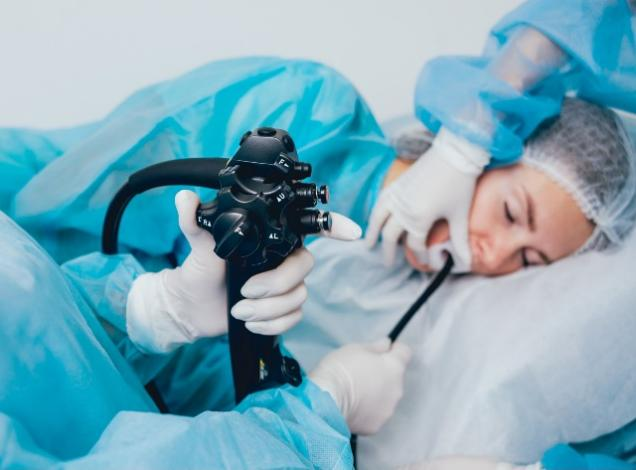
Gastroscopy: Before the procedure, you will likely receive a local anesthetic spray for your throat to numb it and a sedative to help you relax. You will lie on your side, and a thin, flexible tube with a camera (endoscope) will be gently guided through your mouth, down your esophagus, into your stomach, and then into your duodenum. The camera transmits images to a monitor, allowing the doctor to visualize the lining of these organs. Air may be gently introduced to expand the area for better viewing. If necessary, small tissue samples (biopsies) can be taken for further examination, or polyps can be removed using tiny instruments passed through the endoscope. The procedure usually takes 15-30 minutes.
Colonoscopy: For a colonoscopy, you will lie on your side, and you will receive sedation, often "conscious sedation" or even general anesthesia, to ensure your comfort. A colonoscope, similar to an endoscope but longer, is gently inserted into the rectum and advanced through the colon. Air is often used to inflate the colon, providing a clearer view. As with gastroscopy, the doctor can examine the lining, take biopsies, or remove polyps. The procedure typically lasts 30-60 minutes, but it can take longer depending on the individual's anatomy and any findings.
After both procedures, you will be monitored in a recovery area until the effects of the sedation wear off. You may experience some bloating or mild discomfort due to the air introduced during the procedure, which usually resolves quickly. Due to the sedation, you will need someone to drive you home, and you should avoid operating machinery or making important decisions for the rest of the day.
Preparation Tips
Proper preparation is crucial for the success and accuracy of both procedures.
Gastroscopy:
- Fasting: You will typically be asked to fast for 6-8 hours before the procedure, meaning no food or drink. This ensures your stomach is empty, allowing for a clear view.
- Medications: Discuss all your medications with your doctor beforehand. You may need to adjust or temporarily stop certain medications, especially blood thinners.
Colonoscopy:
- Dietary Restrictions: For several days before the procedure, you will need to follow a low-fiber diet.
- Liquid Diet: The day before the procedure, you will switch to a clear liquid diet (e.g., water, clear broth, apple juice, plain gelatin).
- Bowel Preparation: This is the most critical part of colonoscopy preparation. You will be given a laxative solution to drink, which will cause frequent bowel movements to completely clear your colon. It is essential to follow these instructions precisely to ensure a clean colon, as any residual stool can obscure the view and necessitate a repeat procedure.
- Medications: Similar to gastroscopy, discuss all medications with your doctor. Blood thinners, iron supplements, and certain diabetes medications may need to be adjusted.
Always follow the specific instructions provided by your healthcare provider, as they may vary slightly.
How Early Detection Prevents Cancer
The primary goal of screening procedures like gastroscopy and colonoscopy is the early detection and prevention of cancer.
For Gastroscopy: While less common for routine cancer screening, gastroscopy is vital for detecting precancerous conditions like Barrett's esophagus (a change in the lining of the esophagus that can lead to esophageal cancer) or early-stage stomach cancer. Identifying these conditions early allows for timely intervention, such as surveillance, endoscopic removal, or other treatments, significantly improving prognosis.
For Colonoscopy: This procedure is a cornerstone of colorectal cancer prevention. Colorectal cancer often develops from small, non-cancerous growths called polyps. During a colonoscopy, these polyps can be identified and removed before they have a chance to turn cancerous. This "polypectomy" is a direct form of cancer prevention. If cancer is present, detecting it at an early stage, when it is small and localized, drastically increases the chances of successful treatment and cure. Early-stage colorectal cancer often presents with no symptoms, highlighting the importance of screening even in asymptomatic individuals.
Advantages of Getting These Procedures in China
For international patients, undergoing gastroscopy and colonoscopy in China, particularly at institutions like Distinct Healthcare, offers several compelling advantages:
- No Waiting Lists: In some countries, patients often face significant waiting periods for elective procedures, including endoscopies. In China, healthcare systems, especially private and international hospitals, are often structured to provide more immediate access to diagnostic services, allowing for timely screening and diagnosis without unnecessary delays.
- Advanced Equipment and Technology: China has made substantial investments in its healthcare infrastructure, and leading hospitals are equipped with state-of-the-art endoscopic equipment. This includes high-definition endoscopes, narrow-band imaging (NBI) for enhanced visualization of mucosal changes, and advanced techniques for polyp removal and early cancer detection. Distinct Healthcare, for instance, prides itself on utilizing cutting-edge technology to ensure accurate diagnoses and effective interventions.
- Highly Skilled Medical Professionals: Chinese medical universities and hospitals train highly competent gastroenterologists and endoscopists. Many have received international training and are proficient in performing complex endoscopic procedures. At Distinct Healthcare, patients benefit from experienced specialists who adhere to international standards of care.
- Comprehensive Care: International hospitals in China often provide a holistic patient experience, including multilingual staff, personalized care plans, and efficient coordination of follow-up appointments and treatments, making the process smoother for international patients.
Undergoing gastroscopy and colonoscopy is a proactive step towards safeguarding your digestive health. With proper preparation and understanding, these procedures are safe, effective, and, especially when performed in advanced facilities in China, offer a pathway to timely diagnosis and potentially life-saving early intervention.