Introduction
Many people have never had a colonoscopy, and the name alone can sound intimidating — conjuring images of pain and discomfort. But is it really that bad?
Today, let me walk you through what a colonoscopy actually involves. Understanding how it works may help ease some of your anxiety.
What Is a Colonoscopy?
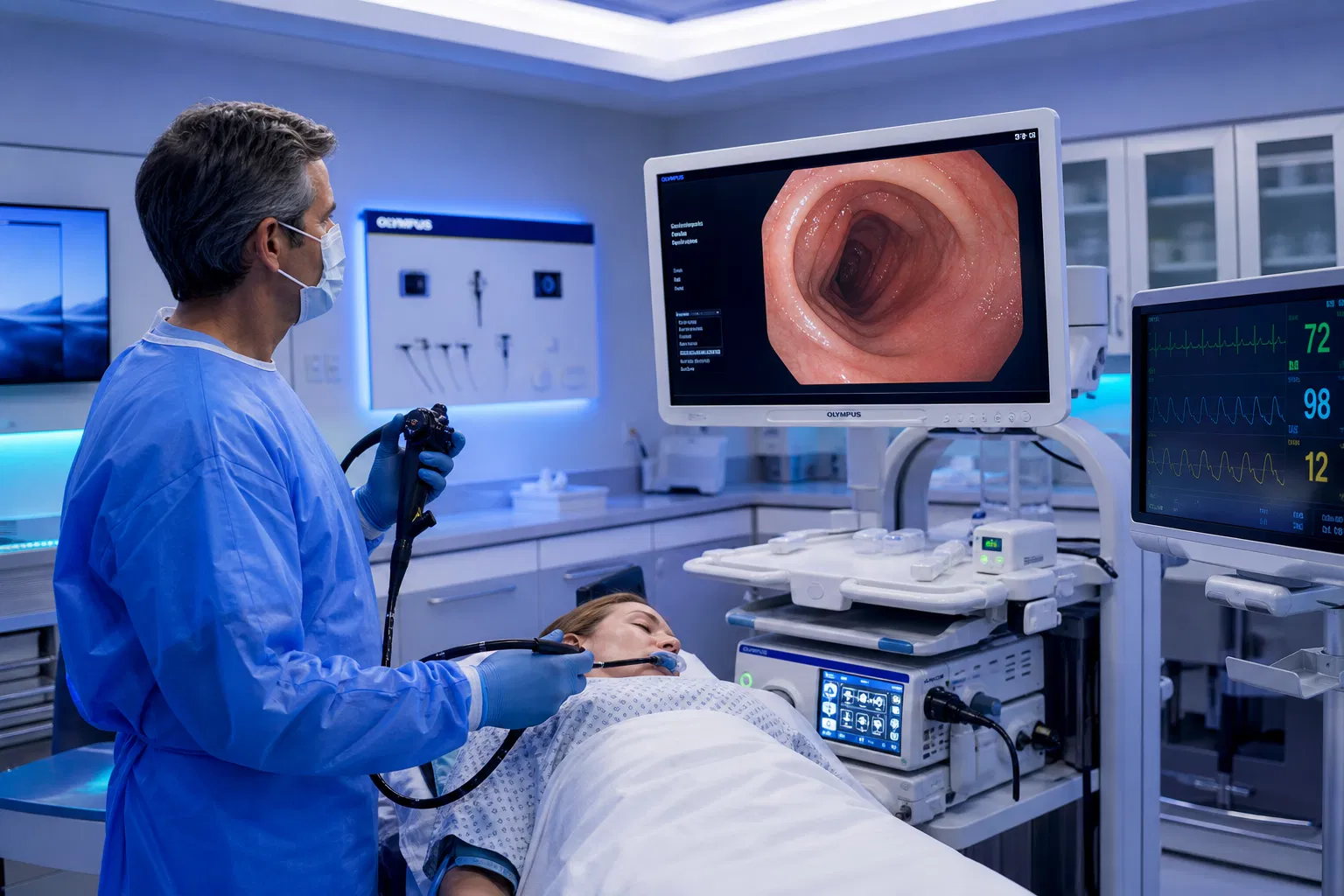
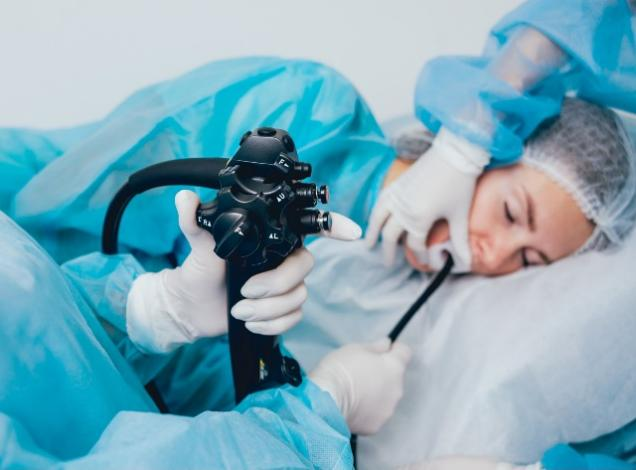
A colonoscope is a flexible tube equipped with miniature devices at its tip, including a light source and a camera. It allows the doctor to clearly visualize the mucosa (inner lining) of the rectum, colon, and a small portion of the terminal ileum (the end of the small intestine).
What can be done during the procedure:
- If the doctor spots an abnormality, they can take a biopsy (tissue sample) to aid diagnosis
- Certain lesions can be treated during the procedure itself — for example, polyp removal
Why Remove Polyps?
Most colorectal cancers begin as polyps. The progression from polyp formation → polyp growth → cancerous transformation takes approximately 10 years.
This means that the earlier a polyp is detected and removed via colonoscopy within that 10-year window, the greater the reduction in colorectal cancer risk.
Key fact: Removing polyps during colonoscopy can prevent approximately 75% of colorectal cancers.
Who Needs a Colonoscopy?
People with Symptoms
If you experience any of the following, a colonoscopy is recommended to establish a diagnosis:
- Abdominal pain
- Chronic diarrhea
- Blood in stool
- Changes in bowel habits or stool characteristics
What counts as a change in bowel habits? If you previously had one bowel movement per day and this has changed to two or three times daily over the past 2–3 months, that warrants investigation with a colonoscopy.
Asymptomatic Screening
| Risk Level | When to Start | Frequency |
|---|---|---|
| General population | Age 50 | Every 10 years |
| Family history of colorectal cancer (parent, sibling, or child) | Age 40 | At least every 5 years |
| Young relative diagnosed | 10 years before their diagnosis age | Every 5 years |
Example: If a relative was diagnosed with colorectal cancer at age 42, their blood relatives (siblings, children) should begin screening at age 32, with colonoscopy every 5 years. Older relatives (parents, older siblings) should also undergo colonoscopy as soon as possible.
The Painless Colonoscopy Experience
Many people have heard that colonoscopies are uncomfortable, which deters them from getting one. In reality, painless (sedated) colonoscopy technology is now very mature and causes no discomfort.
How It Works
- A nurse places an IV line in your arm
- The anesthesiologist administers sedation medication through the IV
- Within less than one minute, you fall into a sleep-like state
- The entire colonoscopy is performed while you are "asleep" — you feel nothing
- After the procedure, the anesthesiologist stops the medication
- Because short-acting drugs are used, the effects wear off quickly and you wake up almost immediately
Is It Safe?
Some people worry about complications like bleeding or perforation. In reality, the rate of serious complications is only 1 in 5,000 to 1 in 10,000. Colonoscopy is a very safe procedure — there is no need for excessive worry.
Preparation Before the Procedure
A few days before the colonoscopy, you'll need to follow some dietary guidelines provided by your medical team. Most importantly:
- The day before (or morning of) the procedure, you'll need to drink a prescribed amount of clear fluids and bowel preparation solution (laxative)
- This "bowel cleansing" process may feel somewhat uncomfortable
- However, following the preparation instructions as closely as possible ensures a cleaner colon, which helps the doctor see more clearly and significantly improves the accuracy of the examination
After the procedure, your doctor will advise you on when to schedule your next follow-up based on your individual results.
How to Prevent Polyps and Colorectal Cancer
Dietary Recommendations
| Do More | Do Less |
|---|---|
| Eat fresh vegetables, especially cruciferous vegetables (bok choy, cabbage, broccoli, cauliflower) | Limit red meat (pork, beef, lamb) |
| Maintain a fiber-rich diet | Avoid processed meats (cured, smoked, grilled, deep-fried) |
Lifestyle Risk Factors to Avoid
- Long-term smoking — increases colorectal cancer risk
- Heavy alcohol consumption — associated with higher cancer rates
- Obesity — a significant risk factor for colorectal cancer
Maintaining healthy dietary and lifestyle habits benefits your overall health in many ways beyond just cancer prevention.
Summary
- Colonoscopy with polyp removal can prevent approximately 75% of colorectal cancers
- Colonoscopy screening is the most direct and effective method for preventing colorectal cancer
- Modern painless colonoscopy is safe and comfortable — you sleep through the entire procedure
- If you are 50 or older, or experiencing abnormal bowel symptoms, consult a gastroenterologist about scheduling a colonoscopy