What Is a Gastroscopy?
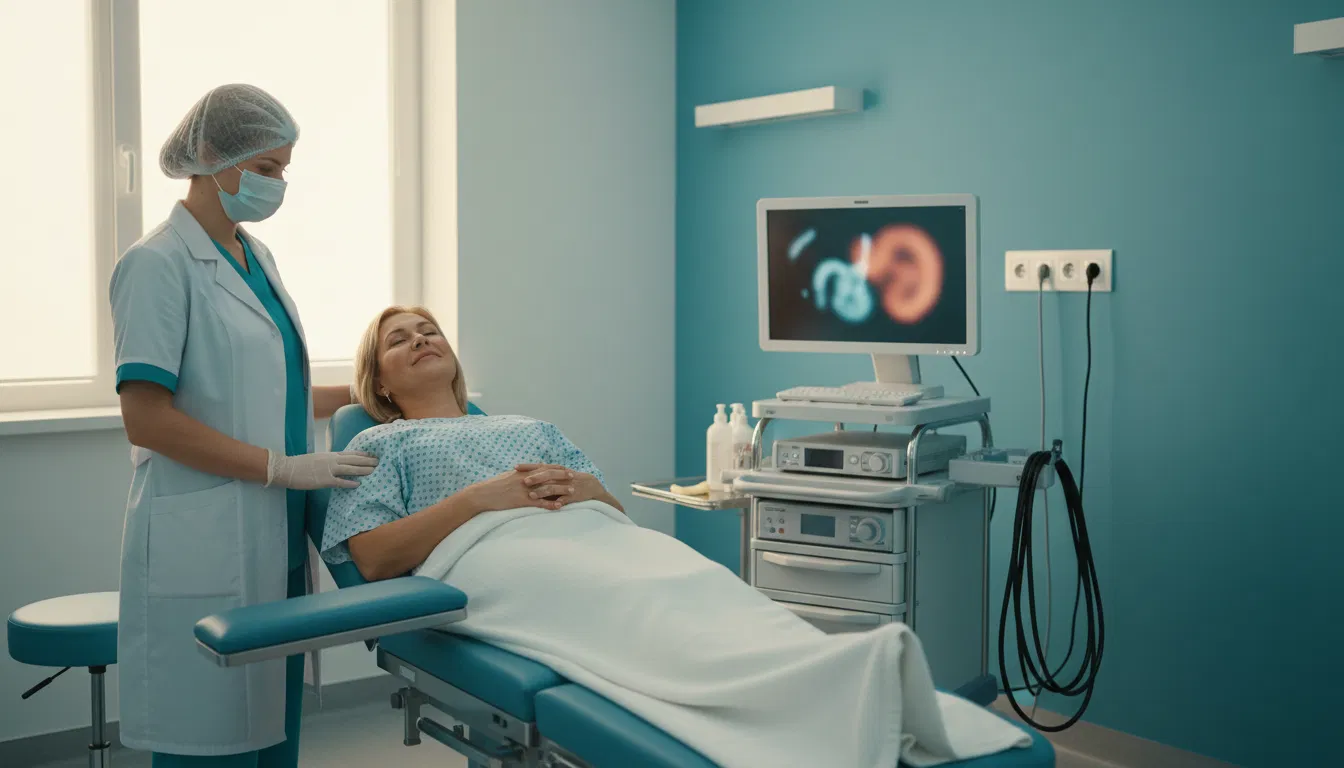
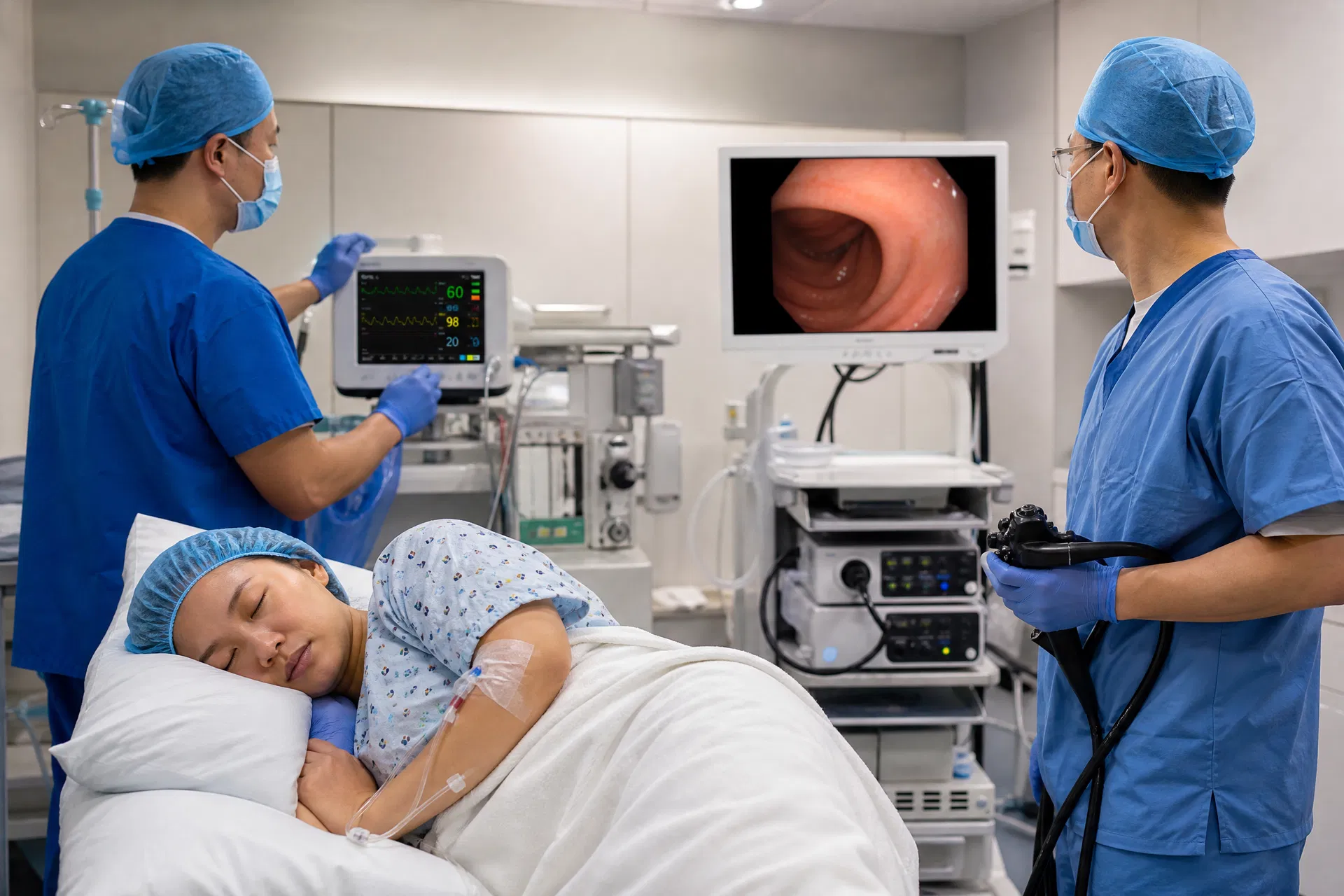
A gastroscope is a thin, flexible tube-shaped device equipped with a camera and light source at its tip. It transmits real-time images to a monitor, allowing the physician to clearly visualize the interior of the upper digestive tract — including the esophagus, stomach, and duodenum.
Understanding what a gastroscopy actually is can help alleviate the fear that comes from unfamiliarity. While many people have heard that gastroscopy is uncomfortable, modern techniques and sedation options have made the procedure much more tolerable than most patients expect.
Who Needs a Gastroscopy?
1. Patients With Suspected Upper GI Diseases
If you experience symptoms such as stomach pain, bloating, acid reflux, or difficulty swallowing, a gastroscopy can help identify the underlying cause by directly visualizing the digestive tract lining.
2. Patients With Known Upper GI Conditions
For those already diagnosed with upper digestive tract diseases, gastroscopy helps:
- Assess disease severity
- Check for complications
- Monitor treatment effectiveness
- Track disease progression
3. Therapeutic Applications
Beyond diagnosis, gastroscopy can also be used for treatment. Specialized instruments can be passed through the endoscope channel to:
- Dilate narrowed passages
- Remove polyps
- Control bleeding
- Treat early-stage cancers
This eliminates the trauma and recovery time associated with traditional open surgery.
4. Cancer Screening for Healthy Individuals
For most healthy people, the most important role of gastroscopy is gastric cancer screening.
Gastric Cancer Screening: Who Should Get Screened?
China has one of the highest gastric cancer incidence rates in the world. Following the screening strategies used in Japan and South Korea, it is recommended that healthy individuals begin gastric cancer screening from age 40.
According to the consensus guidelines jointly developed by the Chinese Society of Digestive Endoscopy and the Chinese Anti-Cancer Association's Tumor Endoscopy Committee, anyone aged 40 or above who meets any one of the following criteria should be considered high-risk and undergo gastroscopy:
| Risk Factor | Details |
|---|---|
| High-incidence region | Living in areas with elevated gastric cancer rates |
| H. pylori infection | Current or past Helicobacter pylori infection |
| Pre-cancerous conditions | Chronic atrophic gastritis, gastric ulcers, gastric polyps, post-surgical remnant stomach, hypertrophic gastritis, or pernicious anemia |
| Family history | First-degree relative with gastric cancer |
| Lifestyle risk factors | High-salt diet, preserved/pickled foods, heavy smoking, or heavy alcohol consumption |
Esophageal Cancer Screening
In addition to gastric cancer, gastroscopy can also screen for esophageal cancer. According to the 2019 Chinese Expert Consensus on Early Esophageal Cancer Screening, individuals aged 40 and above with any one of the following risk factors should be considered for screening:
| Risk Factor | Details |
|---|---|
| Geographic risk | Born or long-term resident in high-incidence areas |
| Family history | First-degree relative with esophageal cancer |
| Pre-cancerous conditions | Existing esophageal precancerous disease or lesions |
| Head/neck cancer history | Previous head and neck tumors |
| Lifestyle factors | Very hot food/drinks, alcohol (≥15g/day), smoking, eating too fast, indoor air pollution, or missing teeth |
How to Prepare for a Gastroscopy
Fasting Requirements
The stomach must be empty during the examination to ensure clear visualization and prevent aspiration. Required fasting times:
- Stop eating: At least 6 hours before the procedure
- Stop drinking water: At least 2 hours before the procedure
- Patients with poor gastric motility may need longer fasting periods (your doctor will advise)
Medical History Disclosure
Before the procedure, inform your doctor about:
- Any drug allergies
- Other medical conditions (heart disease, lung disease, hypertension, diabetes)
- All medications you are currently taking or have recently taken (some may need adjustment)
Risks and Complications
Gastroscopy complications are rare but not impossible. Understanding potential risks helps you make informed decisions:
| Complication | Frequency | Details |
|---|---|---|
| Bleeding from biopsy/polyp removal | Uncommon | Usually minimal, stops within minutes, rarely needs treatment |
| Perforation | Very rare | Extremely uncommon with diagnostic procedures |
| Sedation-related complications | <1 in 5,000 | More relevant for patients with heart/lung conditions |
When to Seek Emergency Care After Gastroscopy
Contact your doctor immediately if you experience any of the following after the procedure:
- Difficulty swallowing or worsening throat pain
- Chest pain or abdominal pain that progressively worsens
- Vomiting blood or coffee-ground-colored material
- Black stools or bloody stools
Choosing the Right Facility
The safety of gastroscopy depends heavily on where and by whom it is performed. Key factors to consider:
- Accredited medical institution — Proper equipment, sterilization protocols, and emergency capabilities
- Trained, experienced endoscopist — Skilled operators minimize complications and improve diagnostic accuracy
- Sedation options available — Modern facilities offer sedated (painless) gastroscopy for patient comfort
- Comprehensive follow-up — Results interpretation and treatment planning should be included
Key Takeaways
| Question | Answer |
|---|---|
| Who needs gastroscopy? | Patients with upper GI symptoms, known GI diseases, or those in high-risk groups for gastric/esophageal cancer |
| When to start screening? | Age 40+ if you have any risk factors (family history, H. pylori, lifestyle factors) |
| Is it safe? | Yes — complications are very rare (<1 in 5,000 for serious events) |
| How to prepare? | Fast 6+ hours (food), 2+ hours (water); disclose all medications and medical history |
| Does it hurt? | Sedated gastroscopy is virtually painless; standard gastroscopy causes mild discomfort |
| Where to get it done? | Always choose accredited facilities with experienced endoscopists |
FAQ
Q: Is gastroscopy really that uncomfortable?
A: Traditional gastroscopy can cause gagging and mild discomfort as the scope passes through the throat. However, sedated (painless) gastroscopy uses light anesthesia so you sleep through the entire procedure and feel nothing. Most patients report the experience was much easier than expected.
Q: How often should I repeat gastroscopy screening?
A: This depends on your risk level and initial findings. For high-risk individuals with normal results, screening every 2-3 years is typically recommended. Your doctor will provide personalized guidance based on your specific situation.
Q: Can gastroscopy detect all types of stomach cancer?
A: Gastroscopy is the gold standard for detecting gastric cancer, with high sensitivity for visible lesions. Combined with biopsy, it can identify early-stage cancers and precancerous changes. However, no single test is 100% sensitive — regular screening improves detection rates.
Q: Should I choose sedated or standard gastroscopy?
A: Sedated gastroscopy is recommended for most patients as it eliminates discomfort and allows the endoscopist to perform a more thorough examination. However, patients with certain respiratory or cardiac conditions may need to discuss sedation risks with their doctor first.
Q: Is there an alternative to gastroscopy for stomach screening?
A: While blood tests (pepsinogen, gastrin-17) and breath tests (H. pylori) can provide preliminary risk assessment, they cannot replace gastroscopy for definitive diagnosis. Capsule endoscopy is an alternative for some patients but has limitations in image quality and inability to take biopsies.
References
- Chinese Society of Digestive Endoscopy & Chinese Anti-Cancer Association. Consensus on Early Gastric Cancer Screening in China (2014).
- Chinese Expert Consensus on Early Esophageal Cancer and Precancerous Lesion Screening (2019, Xinxiang).
- Hamashima C. Systematic Review Group and Guideline Development Group for Gastric Cancer Screening Guidelines. Update version of the Japanese Guidelines for Gastric Cancer Screening. Jpn J Clin Oncol. 2018;48(7):673-683.
- ASGE Standards of Practice Committee. Adverse events of upper GI endoscopy. Gastrointest Endosc. 2012;76(4):707-718.
- National Cancer Center, China. Chinese Cancer Registry Annual Report. 2020.