Many people fear gastroscopy and colonoscopy, worrying about discomfort and pain during the procedure. In reality, painless gastroscopy and colonoscopy technology is now very mature, and the examination is completed after a short nap.
Today, let's follow Ms. Xiyou to uncover the experience of having a gastroscopy and colonoscopy at Distinct Healthcare 🧐
Ms. Xiyou
Has a family history of severe gastrointestinal diseases. Has a habit of regular gastroscopy and colonoscopy, and polyps were found in previous examinations.

Why choose Distinct Healthcare for gastroscopy and colonoscopy?
During my annual health check-up at Distinct Healthcare, the doctor, based on my existing symptoms, issues, and family history, recommended that I complete gastroscopy and colonoscopy. It happened to coincide with Distinct Healthcare's monthly health check-up + gastroscopy and colonoscopy promotion. After comprehensive consideration, I chose to have my gastroscopy and colonoscopy at Distinct Healthcare.
Any special feelings during the examination?
I was deeply impressed by the following aspects:
① Easy Pre-Examination Preparation
A few days before the examination, I received bowel preparation medication and a guide. According to the dietary guidelines, about 3 days before the examination, I started reducing my intake of seeds, dark-colored, or high-fiber foods, eating only easily digestible, low-fiber foods, such as white porridge and noodle soup.
Worried about not being able to successfully prepare the laxative at home, I chose to stay in Distinct Healthcare Guangzhou's exclusive ward. The hospital nurses explained and prepared the medication for me, guiding me on how to take it. I just needed to follow the instructions, take the medication, and then rest in the ward, waiting for it to take effect. Perhaps the medication used this time was gentler, and the ratio was more scientific. Compared to my previous examination experiences, the process of taking the laxative to clear my bowels this time was much better. From the start of taking the medication until it took effect, I didn't feel weak or soft.
② Thoughtful and Respected Process
After everything was ready, I needed to change into a strictly sterilized disposable surgical gown before entering the examination room. The changing process made me feel very thoughtful.
Previous gastroscopy and colonoscopy experiences were rushed and fast-paced, making me very nervous and confused: When will it be my turn? Where do I go next? Where should I put my belongings? The clothing and changing environment were also relatively simple, making me feel insecure when changing clothes.
In this examination at Distinct Healthcare, the changing room was private, and my personal belongings were stored in a dedicated locker. I didn't have to rush and could relax and change into the disposable surgical gown in the private changing room. Outside the surgical gown, there was also a robe-like garment, so I wasn't just walking around in thin surgical pants. The feeling of being fully covered made me feel very secure, and I comfortably went to the examination room in this attire.
③ Natural Post-Examination Awakening Process
The awakening process after anesthesia was very different from my previous experiences. After the examination, I was placed in a resting and monitoring area, giving me ample time to adjust until I woke up naturally. My family told me that after coming out of the operating room, I was woken up once, and after the nurse confirmed I was fine, they let me continue to "hibernate" until I woke up naturally. This was very different from previous experiences, where I didn't have to be rushed awake and forced myself to get up and walk out of the observation room in a groggy state.
When I woke up naturally, I didn't feel nauseous, dry-mouthed, or dizzy as I had after previous gastroscopy and colonoscopy examinations. It really felt like a comfortable, deep sleep. I also felt relaxed and happy – I could finally eat! After eating normally, I didn't feel nauseous or have the urge to have diarrhea.
④ Full Companionship Throughout
Aside from the examination time, accompanying family members could almost always be present, knowing what I was about to experience and roughly when I would come out of the examination room... This gave them a "sense of certainty," and I, being accompanied, also felt more at ease and relaxed. In addition, the nurse was present throughout the entire process, explaining the next steps, taking my measurements, providing psychological support, and constantly monitoring my emotions and condition. She was another source of reassurance during the examination.
After reading Ms. Xiyou's examination experience, are you curious about gastroscopy and colonoscopy at Distinct Healthcare? Watch the full video below to see the complete patient experience:
Common Questions
What is the purpose of gastroscopy and colonoscopy?
Gastroscopy and colonoscopy are composed of a gastroscope and a colonoscope. Through these regular examinations, potential gastrointestinal problems can be detected and intervened early.
① Gastroscopy for the Upper Digestive Tract
Clear Diagnosis: For people with symptoms such as upper abdominal pain, nausea and vomiting, difficulty swallowing, acid reflux, gastroscopy can help doctors make a clear diagnosis and determine whether they suffer from upper digestive tract diseases.
Assess Disease Severity: Gastroscopy can evaluate the condition, providing important basis for formulating subsequent treatment plans.
Screening for Esophageal and Gastric Cancer: People over 40, even without symptoms, should consider having a painless gastroscopy every 3 years to screen for potential esophageal and gastric cancer, enabling early detection and treatment.
② Colonoscopy for the Lower Digestive Tract
Clear Diagnosis: For people with symptoms such as abdominal pain, diarrhea, bloody stools, changes in bowel habits or stool characteristics, colonoscopy helps to make a clear diagnosis and determine whether they suffer from colorectal diseases.
Regular Screening: People over 50, even without symptoms, should have a colonoscopy every 10 years and an annual fecal occult blood test to screen for colorectal cancer, increasing the chance of early detection.
Importance of Family History: For people with a family history of colorectal cancer, screening should start at age 40, with a colonoscopy at least every 5 years. Starting screening earlier can improve safety and enable early detection of potential problems.
What preparations are needed before gastroscopy and colonoscopy?
Painless Gastroscopy: Requires 6 hours of fasting and 2 hours of water restriction before the examination.
Painless Colonoscopy: In addition to the above fasting and water restriction requirements, 3 days of dietary preparation are needed, and laxatives must be taken before the examination to complete bowel preparation.
How are gastroscopy and colonoscopy performed? Are there risks?
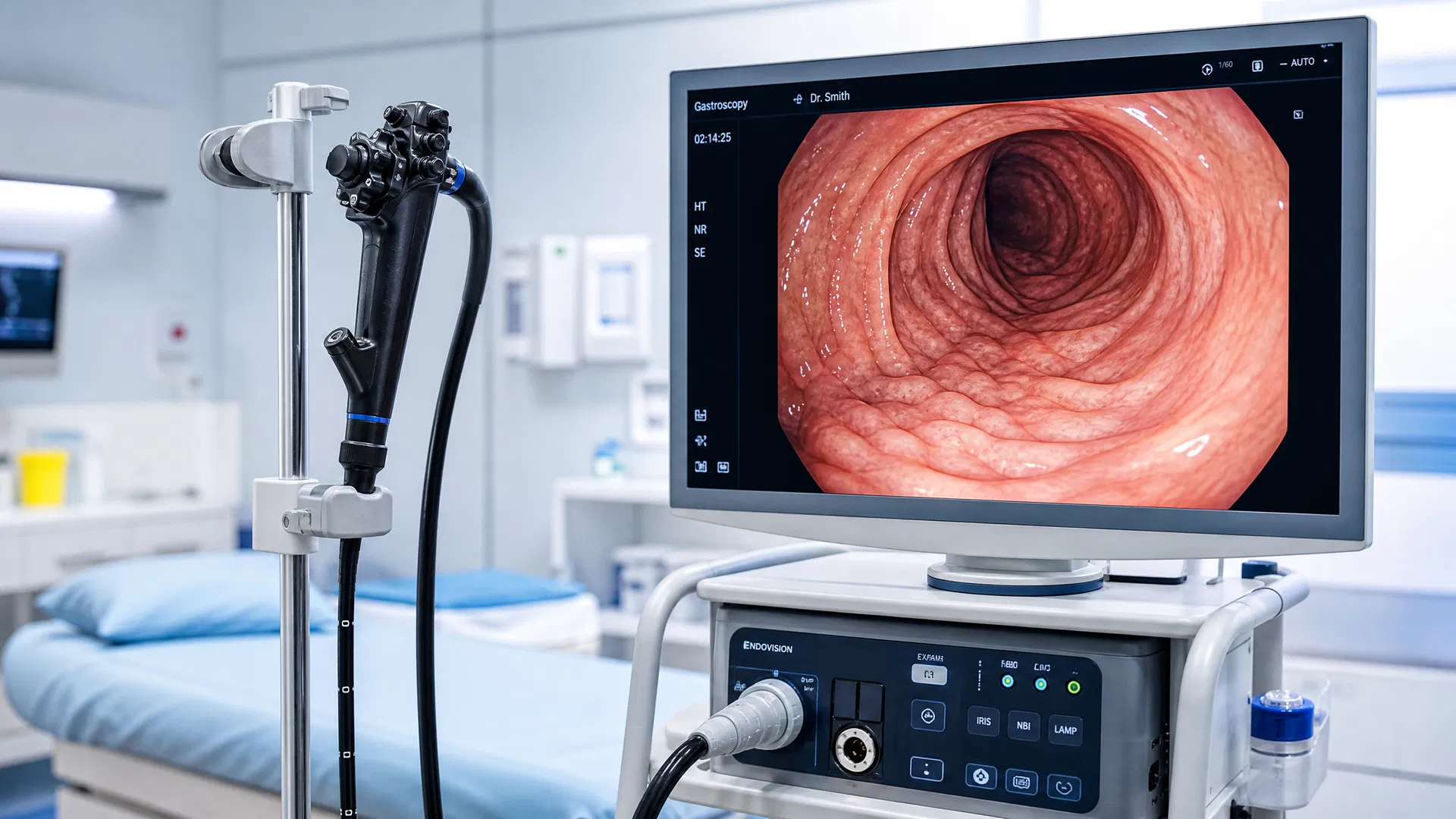
Gastroscopy and colonoscopy use flexible endoscopes with cameras at the tip, which enter the digestive tract through the mouth and anus, respectively.
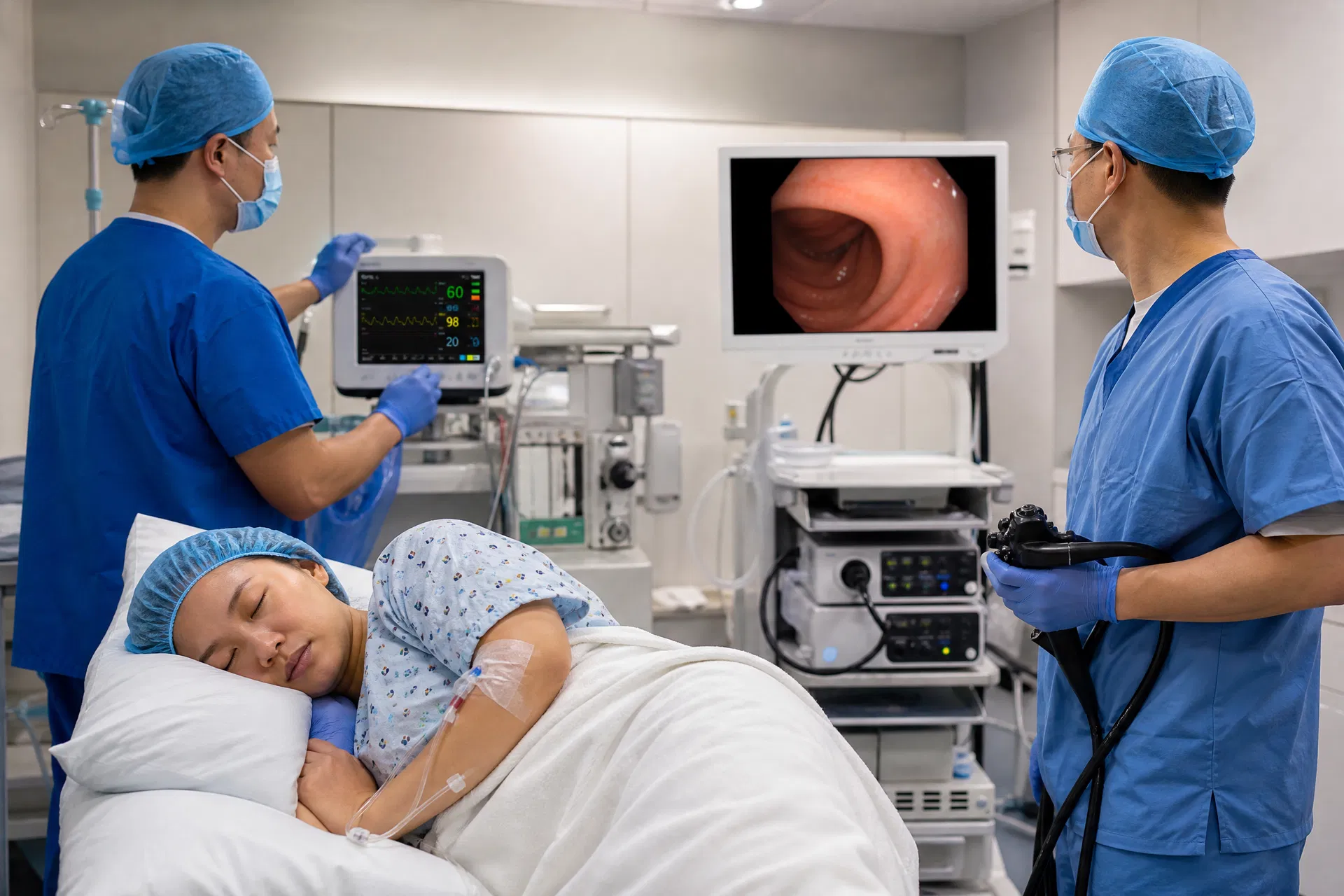
Gastroscopy and colonoscopy can be performed "painlessly." Before the examination, a nurse will insert an intravenous indwelling needle. During the examination, the anesthesiologist injects medication into the vein, and within 1 minute, the patient enters a sleep state. Gastroscopy and colonoscopy are completed during sleep, and the patient feels no discomfort. After the examination, the anesthesiologist stops administering the medication, the effects quickly wear off, and the patient awakens.
Potential risks: Possible complications of gastroscopy and colonoscopy include pharyngeal injury, gastrointestinal bleeding, perforation, or infection. A German study observed nearly 25,000 patients undergoing painless gastroscopy and colonoscopy, and only 4 cases (0.016%) had severe adverse reactions. All patients who experienced adverse reactions fully recovered without sequelae.
Reviewer
Jinghua Lin
Distinct Internal Medicine Physician
Master of Sun Yat-sen University Zhongshan School of Medicine
References:
- Safety analysis of endoscopist-directed propofol sedation: a prospective, national multicenter study of 24 441 patients in German outpatient practices. J Gastroenterol Hepatol. 2014.29(3).
Disclaimer: The above content contains advertisements.